
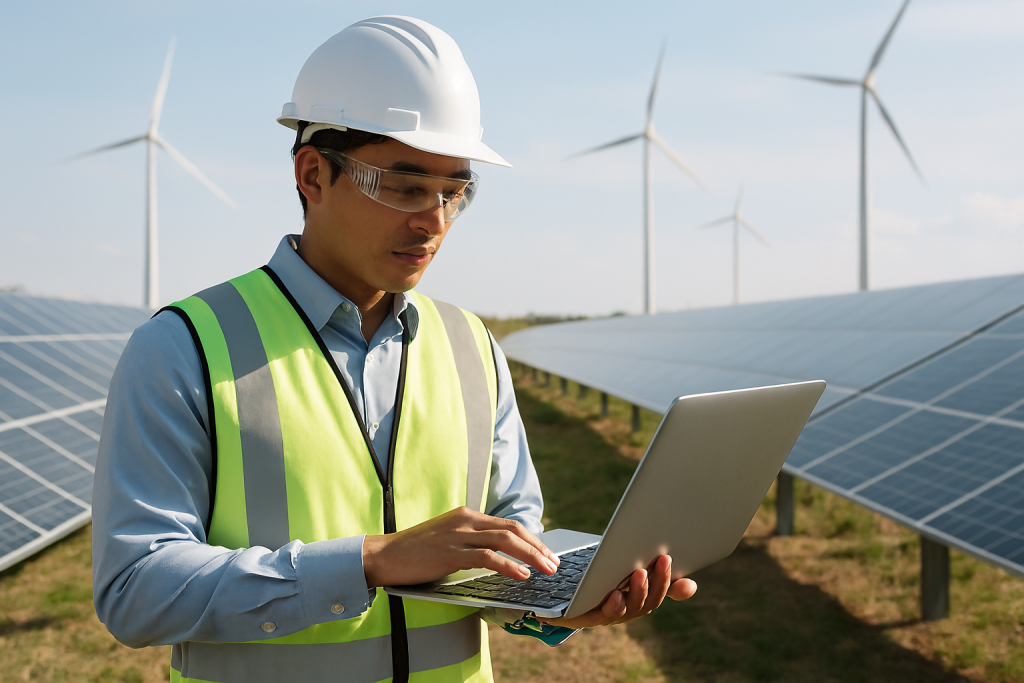

The clean energy industry is one of the most significant spheres where AI is introduced. AI is being utilised by countries to move to greener and more efficient energy solutions. That is done through predicting energy demand and enhancing solar panels and wind farms. In this article, learn how technology can help clean the planet, this guide explains how AI is transforming the clean energy sector.
Smarter Clean Energy Systems
Naturally, clean energy sources such as solar and wind power cannot be predicted. The sun can be blocked by clouds, and the speed of the wind may vary unexpectedly. Due to this, the energy companies are at times unable to provide stable electricity based on renewable sources.
Microsoft can solve this issue using AI that can analyse vast volumes of information, better predicting energy patterns. AI can determine the times when the sun is the strongest and the amount of electricity produced by the panels when applied to solar plants. AI, when applied to wind farms, can anticipate the speed and direction of wind hours or days. This implies that the energy companies will have more time to plan, cut down on wastage and utilise renewable sources more efficiently.
AI Helps Reduce Energy Waste
Energy loss is one of the greatest issues in the clean energy industry. A significant portion of electricity is lost when the electricity moves over long distances using outdated or overloaded systems. This is minimised by AI, which tracks the flow of energy in real-time and pinpoints where the system is either leaking or having trouble.
Intelligent grids will be able to regulate the flow of energy through AI. As a case in point, when a certain section of a city requires additional power and another section requires less, AI can redistribute the supply immediately, without human intervention. This is conducive to maintaining the balance of the system and avoiding blackouts.
This would translate to a consumer like you getting more dependable electricity, a reduction in power outages and a reduced carbon footprint. To businesses, it is a saving of costs and long-term planning.
AI Enhances Efficient Use of Clean Energy Equipment
Solar panels, wind turbines, and hydropower machines require proper maintenance to be functional. In most instances, when an issue is finally discovered, it is too late and the system has lost impetus or is no longer functioning.
This is altered by AI, which identifies issues at an early stage. Using machine learning and sensors, AI can track the performance of equipment in a second, seeking any changes in performance that are unusual.
Early identification assists the technicians in rectifying problems even prior to making it costly or hazardous. This extends the life span of renewable equipment and makes the use of clean energy cheaper.
Assisting Clean Energy Initiatives in Developing Nations
As the developed countries are spending heavily on clean technology, access to clean energy in developing countries faces bigger challenges, such as poor infrastructure, insufficient funds, and unreliable power grids. Hence, they have embraced the use of AI to explore their available green energy resources.
AI-based solar grids are gaining popularity in rural locations where there is limited electricity. They are miniature, stand-alone energy systems capable of serving homes and schools, and businesses without having to use a large national grid. AI assists such microgrids in balancing the supply and demand in energy, forecasting consumption trends, and decreasing outages.
Take the case of a village where the sun does not shine consistently, AI will be able to know how much power your community is going to require at night and help you store the right amount of power at night. This renders clean energy feasible and cost-effective in those regions that can not afford fossil fuel-based power plants.
Artificial Intelligence Reduces the Cost of Energy
One of the chief constraints that makes people unable to switch to renewable energy is the cost. AI can decrease these expenses because it can be used to enhance efficiency throughout the process, including the production of solar panels to the operation of giant wind fields.
Since AI can help businesses save money on wastage, foresee issues, and utilise resources in a more efficient way, the businesses save money on repairs, fuel, and maintenance.
Consequently, the costs of clean energy will be more competitive and more households and businesses will embrace the use of sustainable sources of power.
The reduced costs in developing nations imply that a greater number of families will switch from diesel generators to solar energy or wind power, thus providing better air quality and helping to take the financial burden off.